2026 Trailer Industry Outlook: Key Trends and Insights
An overview of recent developments in the trailer manufacturing and hauling industry, highlighting market dynamics, technological advancements, and their implications for contractors and fleet operators.
The trailer manufacturing and hauling industry is experiencing significant transformations in 2026, driven by evolving market dynamics, technological innovations, and shifting consumer demands. This article explores key trends and insights shaping the industry, providing context and analysis to inform contractors and fleet operators.
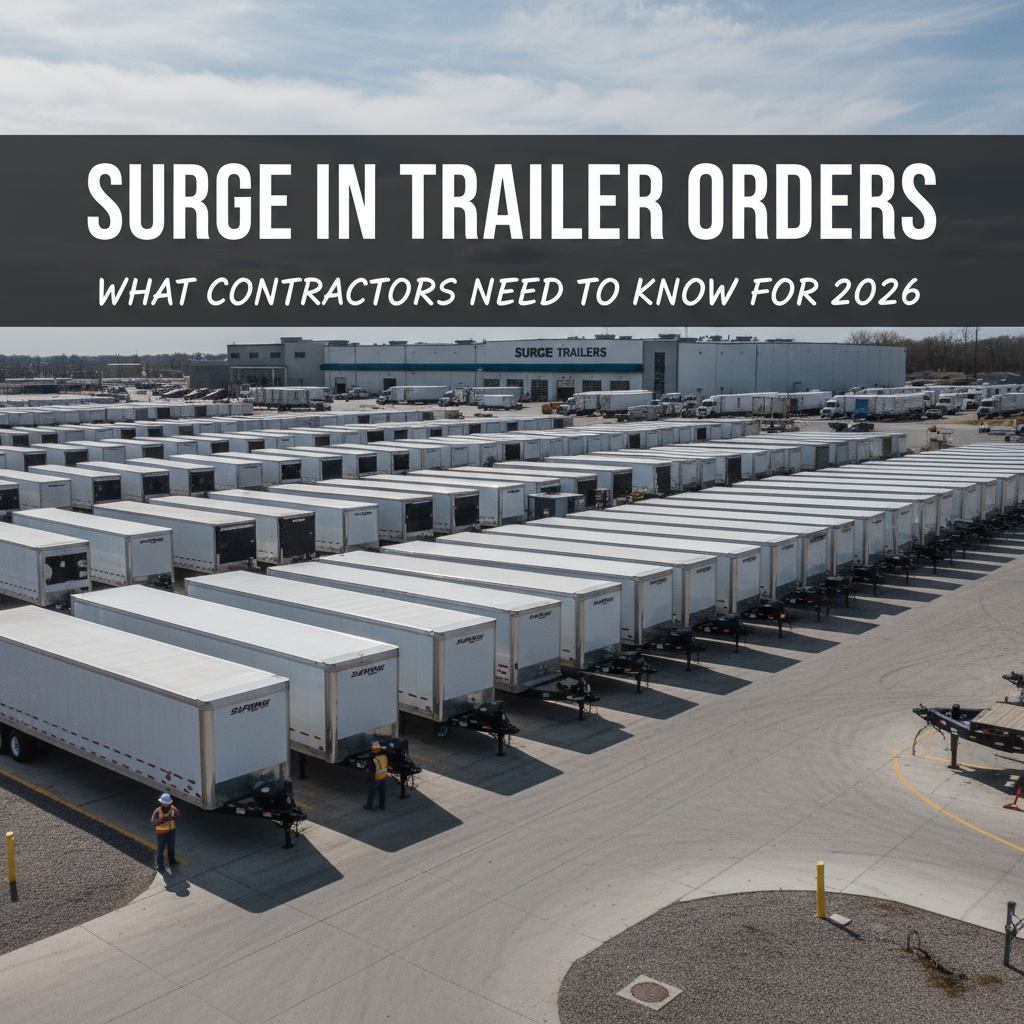
1. Surge in Trailer Orders Amid Market Volatility
In December 2025, trailer orders reached a two-year high, primarily led by increased demand for dry vans. This surge was influenced by deferred fleet plans, concerns over potential tariff-related cost increases, and stabilization in the freight market. However, U.S. trailer production fell to a 15-year low in December, with a 13% month-over-month decline, reflecting subdued demand and cautious manufacturing output. Backlogs improved slightly but remained 21% below the previous year's levels, indicating ongoing industry caution and limited near-term production visibility. (trailer-bodybuilders.com)
Impact on Contractors and Fleet Operators: The surge in orders suggests a potential uptick in demand for trailers, particularly dry vans. However, the decline in production and persistent backlogs may lead to longer lead times for new equipment, affecting fleet expansion and replacement plans. Contractors and fleet operators should anticipate potential delays and consider strategic planning to mitigate operational disruptions.
2. Growth in Semi-Trailer Dealership Market
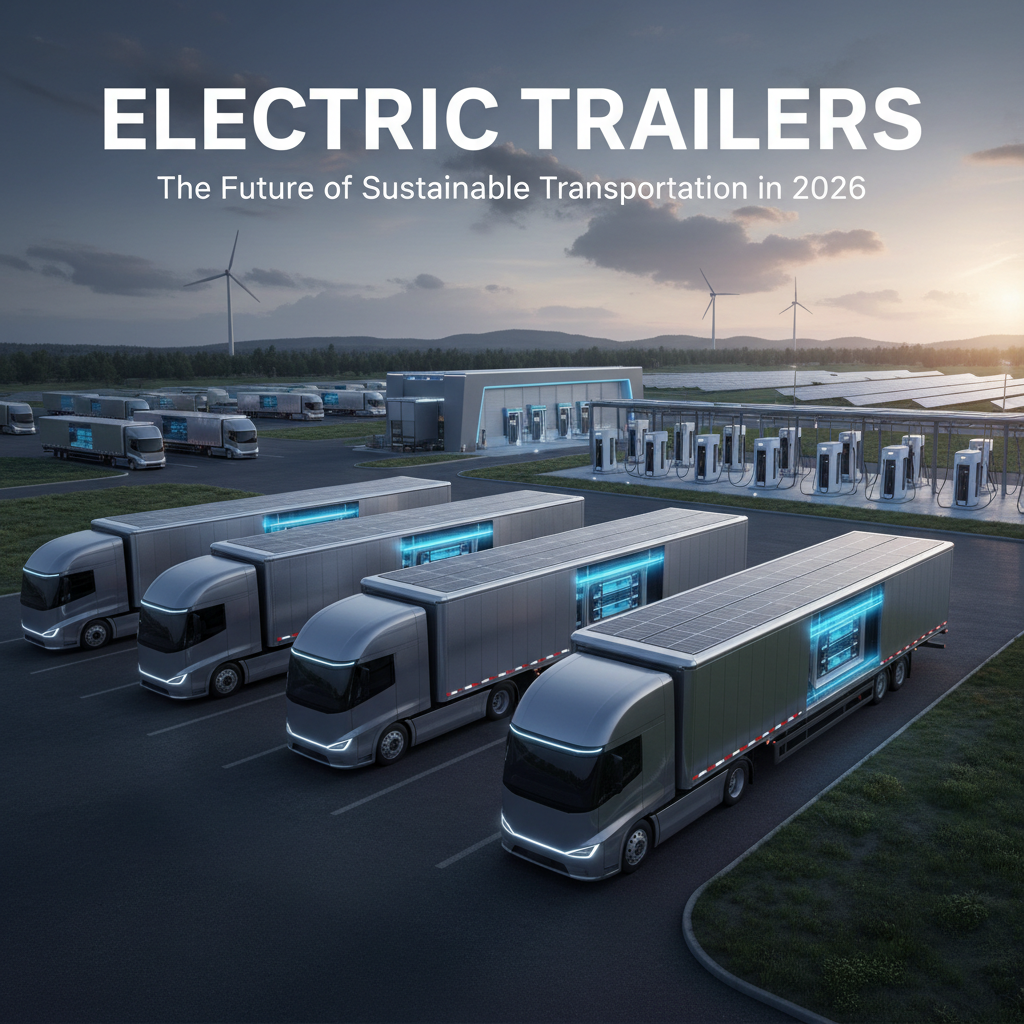
The global semi-trailer dealership market is projected to grow at a compound annual growth rate (CAGR) of 5.8%, reaching over $224 billion by 2035. This growth is driven by robust fleet modernization, surging aftermarket demand, and a strategic shift toward electrification and clean-fuel technologies. The rise of electric refrigerated trailers and increased infrastructure investment in charging facilities underscore the industry's commitment to sustainability. (globenewswire.com)
Impact on Contractors and Fleet Operators: The expansion of the semi-trailer dealership market indicates a growing availability of advanced trailer options, including electric and refrigerated models. Fleet operators can leverage these developments to modernize their fleets, enhance operational efficiency, and meet evolving regulatory standards. The increased focus on electrification also presents opportunities to reduce operational costs and improve sustainability.
3. Advancements in Trailer Telematics and Digitalization
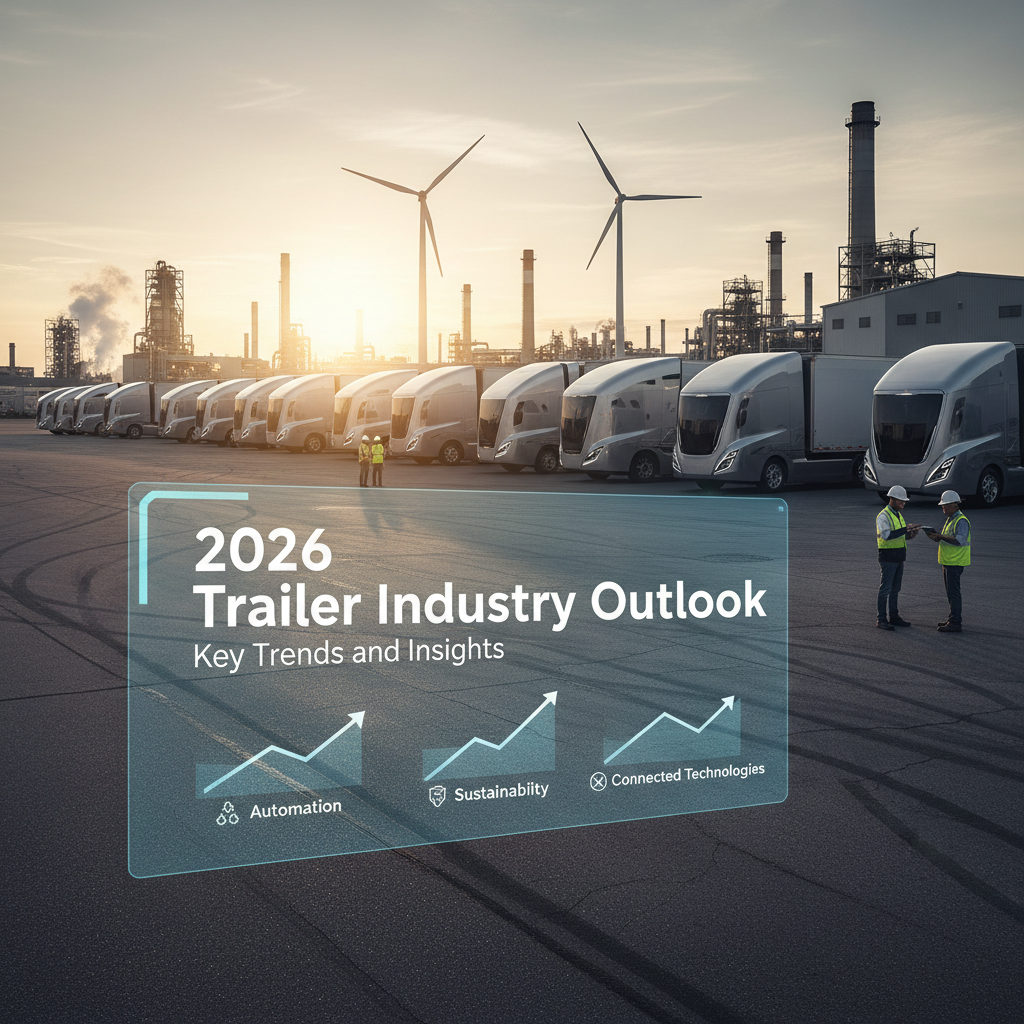
The trailer leasing telematics industry is witnessing significant growth, driven by the adoption of artificial intelligence (AI), predictive analytics, and Internet of Things (IoT) technologies. These advancements enable enhanced fleet management, predictive maintenance, and real-time monitoring of trailer performance. The rise of cloud-based telematics platforms and innovations in smart trailer hardware are transforming operational capabilities. (whatech.com)
Impact on Contractors and Fleet Operators: The integration of advanced telematics offers fleet operators improved visibility into trailer performance, leading to optimized maintenance schedules and reduced downtime. The ability to monitor trailers in real-time enhances security and operational efficiency, providing a competitive edge in the logistics sector. Contractors can leverage these technologies to streamline operations and make data-driven decisions.
4. Expansion of Trailer Rental Services
The global trailer rentals market is projected to grow at a CAGR of 4.3%, reaching $5.92 billion by 2034. This growth is driven by logistics expansion, fleet optimization, and rising demand for flexible short- and long-term rental models. The U.S. trailer rentals market continues to show steady growth, contributing nearly 36% of global demand. (globalgrowthinsights.com)
Impact on Contractors and Fleet Operators: The expansion of trailer rental services provides contractors and fleet operators with flexible solutions to meet varying transportation needs without the capital investment required for purchasing new equipment. This flexibility is particularly beneficial for handling peak demand periods and specialized transport requirements. Additionally, rental services often include maintenance and support, reducing operational burdens.
5. Growth in Modular Trailer Market
The modular trailer market is evolving rapidly, driven by the need for flexible, efficient solutions that can support complex transport logistics and diverse heavy-haul demands. The market is expected to grow from $8.15 billion in 2025 to $8.61 billion in 2026, with projections reaching $10.54 billion by 2030. (thebusinessresearchcompany.com)
Impact on Contractors and Fleet Operators: The growth in the modular trailer market offers contractors and fleet operators access to versatile equipment capable of handling a wide range of cargo types and sizes. The adaptability of modular trailers can enhance operational efficiency and reduce costs associated with specialized equipment. Additionally, the integration of advanced technologies in modular trailers can improve safety and compliance with regulatory standards.
Conclusion
The trailer manufacturing and hauling industry in 2026 is characterized by significant growth, technological advancements, and evolving market dynamics. Contractors and fleet operators must stay informed about these developments to make strategic decisions that enhance operational efficiency, sustainability, and competitiveness. Embracing technological innovations, such as telematics and electrification, and leveraging flexible equipment solutions like rentals and modular trailers, will be crucial in navigating the evolving landscape of the industry.
Recent Developments in the Trailer Manufacturing Industry:
- Trailer orders surge to two-year high, but market headwinds push volatility into 2026 | Trailer Body Builders, Published on Wednesday, January 21
- Semi-Trailer Dealership Business Report 2026: Market to, Published on Wednesday, January 28
- 2026 Trailer Leasing Telematics Industry Outlook: Key Market Drivers, Opportunities, and Growth Strategy, Published on Monday, January 26